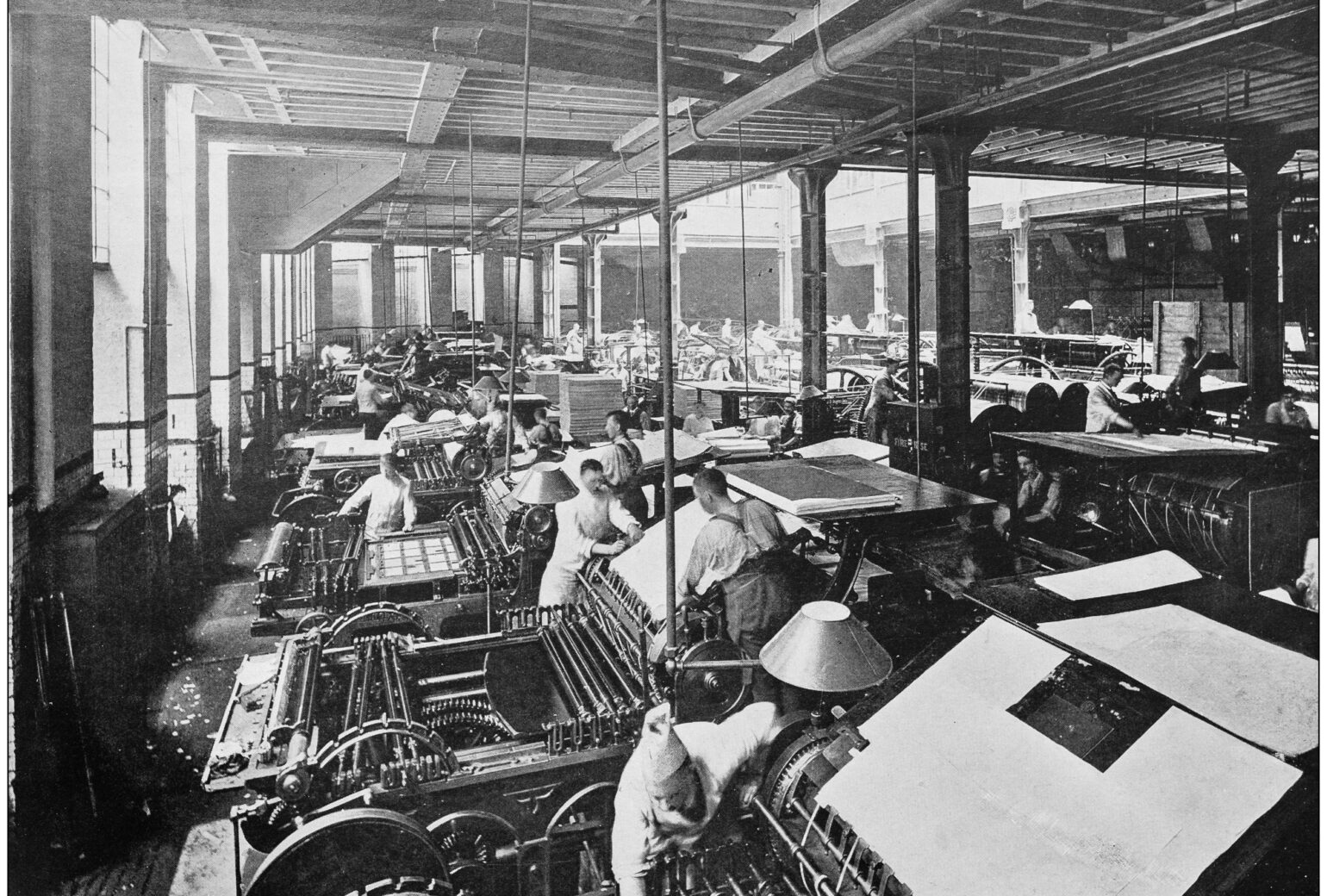
The history of Georgian entrepreneurship is incomplete without the Brothers Zubalashvili. More than brothers, several generations of Zubalashvili men have made their mark in Georgia. This lineage of successful entrepreneurs and gracious philanthropists first rose to national prominence in the eighteenth century when Giorgi Zubalashvili — a priest and scholar in King Vakhtang VI’s court — began working in the country’s first printing shop in Tbilisi. His entrepreneurial instincts caught the eyes of Kings Vakhtang VI and Erekle II, who asked his family to begin establishing printing press shops across Tbilisi.
In the late 1830s, Ivane Zubalashvili (1792 – 1864) used his family’s printing fortune to build both the country’s first sugar refinery and vodka plant. Ivane’s grandson, Constantine (1828 – 1901) and Constantine’s sons, Stephen, Peter and Jacob, then went on to redistribute their family’s great wealth through a series of public donations.
The scale of the Brothers Zubalashvili’s philanthropy is hard to grasp, even for modern readers. In the 1800s alone, they financed the construction of two catholic churches in Batumi and Gori; aided the building of Tbilisi State University and Tbilisi State Conservatory; donated funds to construct and furnish the Public House, now the Marjanishvili Drama Theater; and sponsored the building of the pediatric wing of the first hospital in Tbilisi, as well as a shelter for homeless children, fitted with its own medical center, barber’s shop, laundry facility, bathrooms and kitchen. Topping it all off, in the late nineteenth century, the Zubalashvili’s funded national liberation movements through donations to the Society for the Advancement of Learning among Georgians and to the newspapers, Iveria and Jejili.